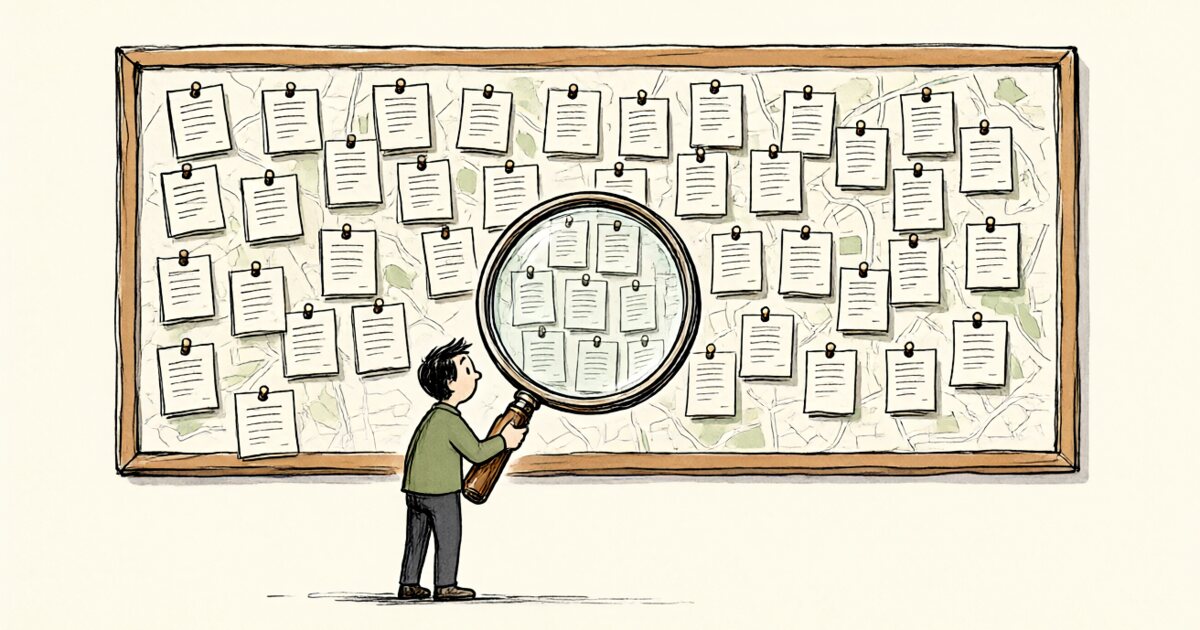
Bots used our job alerts to email strangers. Here is how we stopped them
For three weeks, bots typed other people's email addresses into our job alert form, and we sent each address an email it never asked for. Only 5 of 256 signups were ever confirmed. This is what happened, why we missed it, and the small fix that ended it.
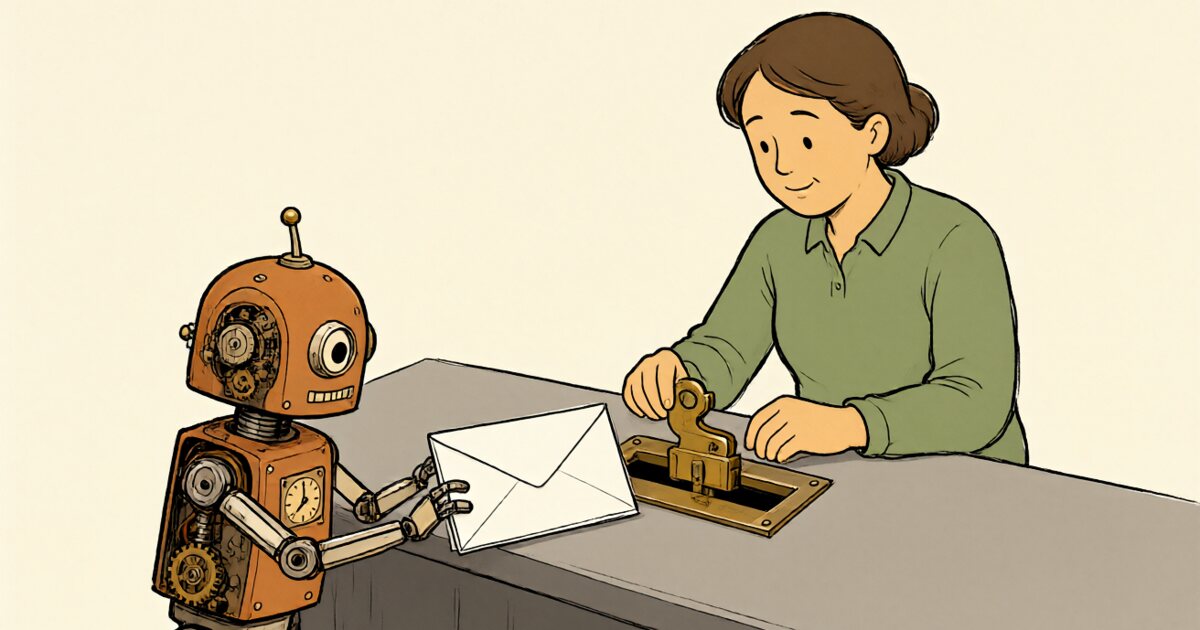
Key takeaways
- From 31 October to 19 November 2026, our job alert form received 256 signups. Only 5 were ever confirmed.
- Each signup made us send a confirmation email, so about 250 unconfirmed signups each triggered an email, most of them to people who never asked.
- In the 14 days we examined in detail, 154 of 165 signups came from the same bot pattern: Windows XP and Internet Explorer 9 browsers, mostly from Turkey, using two fixed searches.
- On 19 November we added two quiet checks to every alert form. On the first night, 9 bot signups were stopped and no email went out.
If you got an email from remoty.work in the past three weeks asking you to confirm a job alert you never set up, this post is for you, and it starts with an apology. You did nothing. A bot typed your address into our form, and we did what our form was built to do: we sent you an email.
What happened #
Job alerts are one of the simplest things we offer. You choose a search, give us your email, and we write when new jobs match. Before we send anything, we email you a link to confirm. That last step exists so that nobody can sign up someone else.
It protected you from getting alerts. It did not protect you from the confirmation email itself.
From 31 October to 19 November 2026, our alert form received 256 signups, between 4 and 23 a day. Five were ever confirmed. When we looked closely at the last 14 days of it, 154 of the 165 signups followed one pattern: browsers announcing themselves as Windows XP and Internet Explorer 9, which went out of support years ago, mostly from addresses in Turkey, always choosing one of two searches. None of them ever confirmed.
We do not know who ran it or why. What we know is what it did: every one of those signups made our site send an email to an address that had not asked for it. For three weeks, our form was being used against the people who own those addresses.
Why we missed it #
We were counting the wrong thing. "New alert signups" looked like a healthy number, and we were pleased with it. We only looked at how many of those signups were confirmed on 19 November, when we were trying to understand who our real readers are.
That is the lesson we keep learning in different forms. A number of events is not a number of people. In the two weeks we examined, 154 of 165 alert signups came from one bot pattern. The only counts we now trust are the ones a person had to do something to create: confirming an email, clicking through to apply.
The fix #
We did not want a CAPTCHA. We think they are hard for many of the people we serve, on slow connections or older phones. So every alert form on the site now carries two quiet checks. We describe them only in outline, because the details would help the next bot:
- Proof the form came from us. Each form we serve carries a signed token that only our server can produce, and it expires. A bot that posts straight to our server without loading a page fails, and so does one that fills the form faster than a person could.
- A trap people never see. The form has a part that is invisible to people. Simple bots fill in everything they find. If that part comes back filled, the submission is a bot.
A submission that fails either check gets the same "check your inbox" page a real person gets, and no email is sent. The bot cannot tell it has been stopped, so it has no reason to change its approach.
On the first night, between 19 and 20 November, the guard stopped 9 bot signups. No new alert was created, and no email went out.
What we still owe #
About 250 addresses that never confirmed are still in our database. They were never subscribed and receive no alerts, and we have sent them nothing since that first email. We are deciding how to remove them, because we should not hold addresses that people did not give us.
If you are one of those people: you are not on any list. If you would like job alerts after all, the form is on most job pages, and this time the only email you get will be the one you asked for.
How we counted: signups and confirmations are rows in our job alert table, by the day they were created, 31 October to 19 November 2026. The bot pattern comes from our server logs for the 14 days to 19 November. The first-night figures are from our server log and alert table between 17:00 UTC on 19 November and 07:00 UTC on 20 November. The log window and the table's days differ slightly, so the 14-day counts do not match to the row.
Questions people ask
Why did I get an email from remoty.work I did not sign up for?
Between 31 October and 19 November 2026, bots typed other people's addresses into our job alert form, and we sent each address a confirmation email. If that was you, we are sorry. You were never subscribed and receive no alerts.
Why would a bot sign strangers up for job alerts?
We do not know who ran it or why. What we saw is that each signup made our site send an email to an address that never asked for one. Whatever the purpose, a form that sends email to any address typed into it can be used against the people who own those addresses.
How do you stop bots from abusing a signup form without a CAPTCHA?
We check that each submission came from a page we actually served, at a pace a person could manage, and we add a trap that people never see but simple bots fall into. A failed check gets the normal reply and no email, so the bot learns nothing.
Sources
By remoty.work, from our own board data. Every number carries the date it was counted. Spot an error? Tell us.